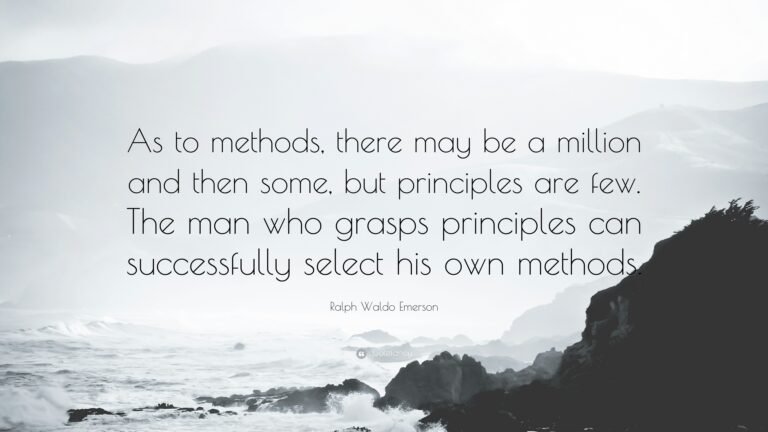
If you’ve ever scrolled through Instagram fitness reels, you might feel like the world is divided into two groups: those who swear by the latest trend and those who quietly roll their eyes. The problem? Most advice is method-first: “Do this exercise, eat that meal, follow this gadget.” But as Dr. Andy Galpin reminds us, methods are many, principles are few. And principles, applied thoughtfully, are the foundation of any effective workout plan — far more important than any flashy exercise trend.
The Wrong Question
“Is this exercise good or bad?” Wrong framework.
Context is everything. An exercise is only good, bad, safe, or effective in relation to your goals, abilities, and current state. Fitness, personal training, and physical therapy are really just applied physics tailored to your body and objectives. A good coach or therapist gets to know you thoroughly — your strengths, limitations, movement patterns, and goals — and then reverse-engineers a program that, if executed, will efficiently move you toward those goals.
In short, it’s problem-solving par excellence. Context turns fitness from dogma into intelligent problem solving, where every method is evaluated not by its popularity but by its fit for the individual.
Essential Principles of Any Effective Workout Plan
Every solid workout plan, regardless of method or style, should be built on these principles:
- Progressive Overload – Your body adapts to stress. Gradually increase challenge in weight, reps, intensity, or complexity to keep improving.
- Specificity – Train for the outcomes you actually want. Specialized, focused training makes you great at one thing; broader, multi-dimensional training builds adaptability for real life.
- Use It or Lose It – Skills, strength, and capacities not used degrade over time. Consistency matters more than perfection.
- Salience – Focus on what actually matters for your goals. Avoid distractions from trendy lifts, gadgets, or metrics that don’t move you forward.
- Functional Lifts & Movements – Compound exercises like deadlifts, squats, and presses, performed with appropriate dosage and intensity, provide real-world strength, power, and mobility benefits.
- Individualization – Everyone is different. Age, mobility, injury history, and lifestyle all shape what works best for each person.
- Mastery Leads to Enjoyment – While variety is important for longevity, sticking with exercises long enough to feel progress and competence is crucial. Developing skill and confidence in movements fuels motivation, grit, and long-term adherence.
Notice what’s missing? Specific exercises, rep schemes, or trendy “secret” methods. Those are tools — not truths. Principles are the compass; methods are the ingredients you choose.
Applying the Framework Beyond Exercise
This principles-first thinking isn’t limited to movement. It applies to nutrition, lifestyle, and wellness too. The “best” diet is the one that fits your goals, lifestyle, and sustainability — not the one with the fanciest Instagram photos. Sleep and recovery aren’t about rigid rules, but about what your body actually needs to perform and recover. Technology and habits should serve you, not hijack your attention or motivation.
Sticking with certain routines long enough to see progress also applies outside the gym: habits, work processes, and even learning new skills benefit from consistency and mastery. Progress fuels motivation, which drives grit — the secret ingredient of long-term success.
A Subtle Analogy
Think of yourself as a chef. Principles are your understanding of flavors, textures, and how ingredients combine; methods are the recipes. A great chef can improvise, adjust, and innovate because they understand the principles; a good cook can follow a recipe to the letter but will struggle if asked to freestyle. Exercise and life work the same way: understand the principles, apply methods intelligently, and you can adapt to any situation.
Key Takeaways
- Stop asking if something is “good” or “bad” in isolation. Ask if it’s good for your goals.
- Focus on essential principles: progressive overload, specificity, use it or lose it, salience, functional lifts, individualization, and mastery for enjoyment.
- Treat methods (exercises, diets, tech, routines) as tools, not dogma.
- Apply this framework to any domain of life — exercise, nutrition, habits, or decision-making.
- Stick with routines long enough to feel competence; mastery fuels enjoyment, motivation, and long-term adherence.
Tatra Movement Therapy
Book Your FREE Movement Consultation with a Movement Expert holding a DPT (doctor of physical therapy) degree via our online booking page.