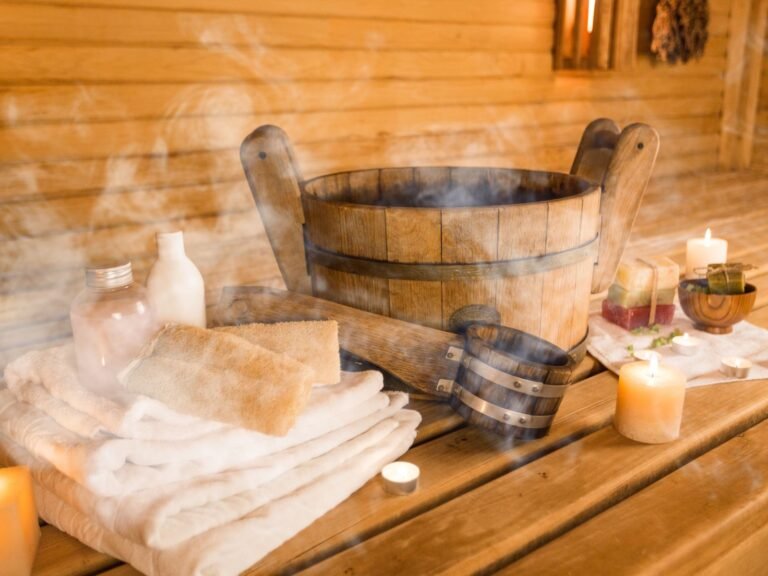
Humans are the only species that voluntarily sit in a 200°F wooden box, sweat until dizzy, then jump into a tub of near-freezing water — and call it “wellness.” Yet somehow, this ancient Finnish ritual survived thousands of years and spread worldwide. Turns out, it works — not because of magic, but because your body is wired to thrive on controlled stress.
Let’s unpack how it all actually works — and why skipping the cold plunge is like training only one side of your body. Heat and cold are different tools in the same kit: each builds resilience in its own way, but together they complete the practice.
The Traditional Sauna: Heating the Air, Then the Body
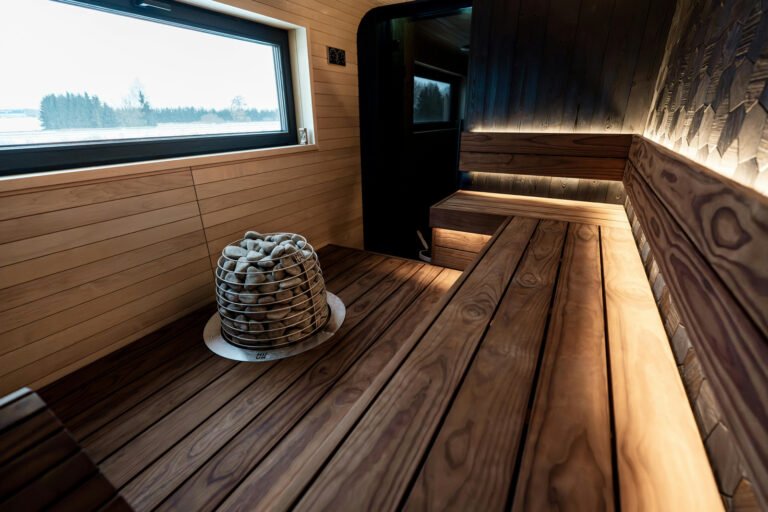
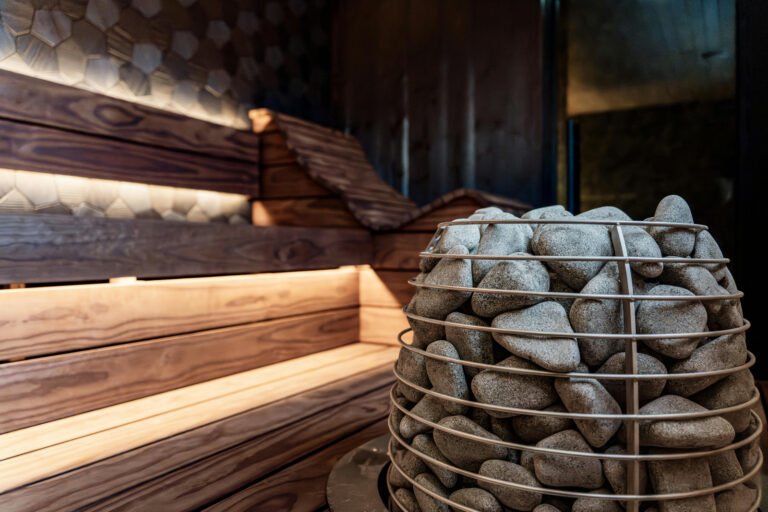
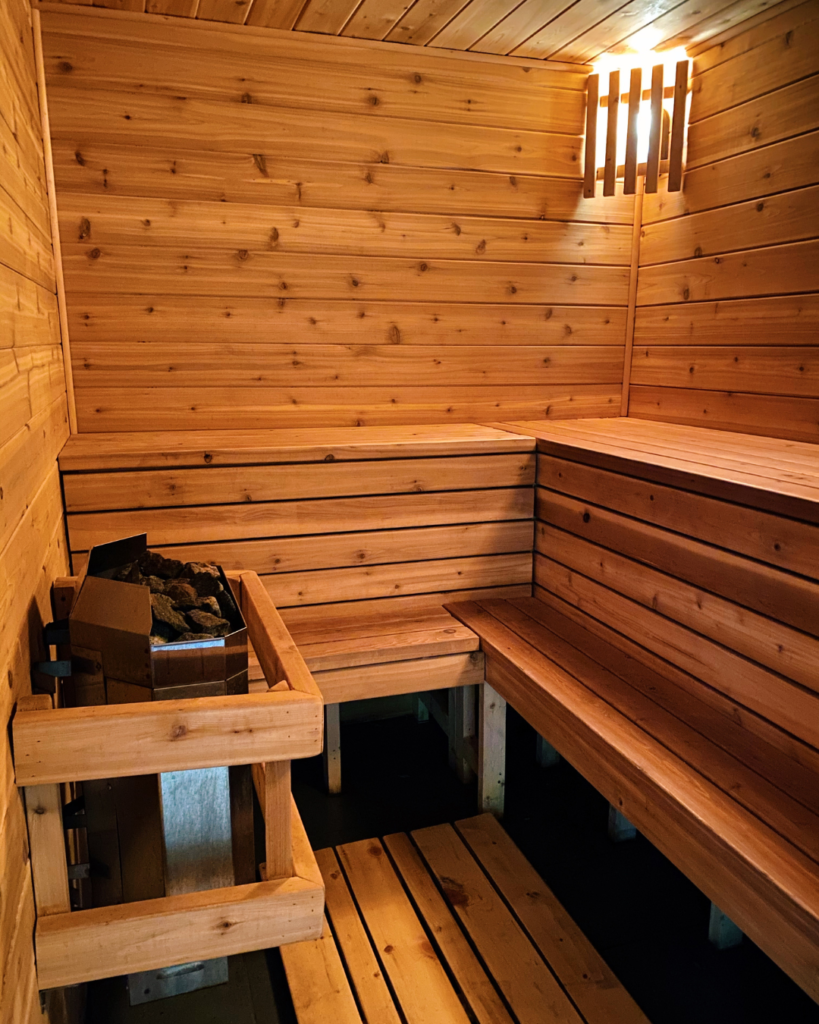
In the traditional Finnish sauna, a wood or electric stove heats up stones, which in turn heat the air. That hot air then warms you from the outside in. The temperatures usually hover between 170–200°F (75–95°C) — which sounds mildly insane until you’ve done it a few times and realize it’s less “I’m dying” and more “my blood vessels are doing yoga.”
When the heat hits you, your body immediately begins a series of small, elegant panics: your heart rate climbs, blood vessels expand, and your core temperature rises by a couple of degrees. You sweat — not to “detox,” despite what wellness memes claim — but to regulate temperature. The real detox happens in your liver and kidneys (quiet heroes, those two).
Over time, this mild stress triggers what scientists call hormesis — the process of adaptation that makes you stronger. Studies out of Finland (who, as a nation, could qualify for a PhD in sauna) show regular use improves heart health, lowers blood pressure, and even correlates with reduced risk of dementia.
The Infrared Sauna: Heating the Body, Not the Air
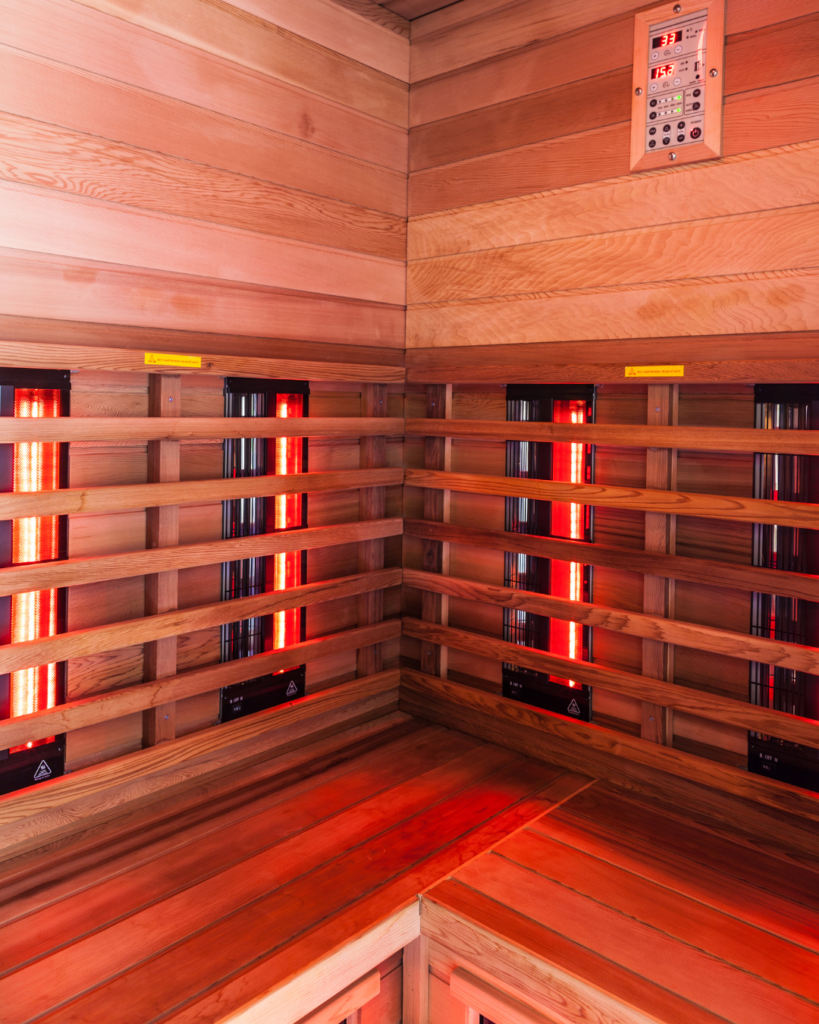
Infrared saunas take a different approach: instead of heating the air, they use infrared light to warm your body directly. Temperatures are much lower — usually 110–140°F (43–60°C) — which makes them feel more like a cozy cocoon than a blast furnace.
Infrared waves penetrate the skin 1–2 inches deep, gently increasing internal temperature and stimulating sweat without the stifling heat. For people who find traditional saunas too intense, this can be a game-changer — especially for women navigating menopause, when thermoregulation goes rogue. Infrared doesn’t heat the air, so it’s more comfortable, yet still delivers many of the same circulatory and relaxation benefits.
The research is still catching up — Finland hasn’t exactly switched over — but early findings are promising. Think of it as a modern remix of an old classic: same benefits, different playlist.
Traditional vs. Infrared: The Breakdown
Traditional saunas heat the air first; infrared heats you first. The former is social, ritualistic, and a little primal. The latter is quiet, efficient, and feels a bit like wellness gone Wi-Fi. Both make you sweat, both get your heart working, and both leave you calmer and lighter.
The difference is mostly in experience: the traditional sauna is communal, cultural, and a touch dramatic (in the best way). The infrared version is solitary, soothing, and perhaps more convenient — though no Finn would ever call it a “real sauna.”
What Actually Happens Inside You
Inside that cedar box, your body mounts a well-orchestrated mini crisis. Your pulse races to 100–150 beats per minute — the equivalent of a brisk walk — while your blood vessels widen to carry more oxygen. Your core temperature rises, heat-shock proteins are released (think of them as internal repair crews), and endorphins flood your system.
By the end, you’re pink, peaceful, and ever so slightly high on your own chemistry. Not bad for sitting still.
Enter the Cold Plunge: The Other Half of the Equation
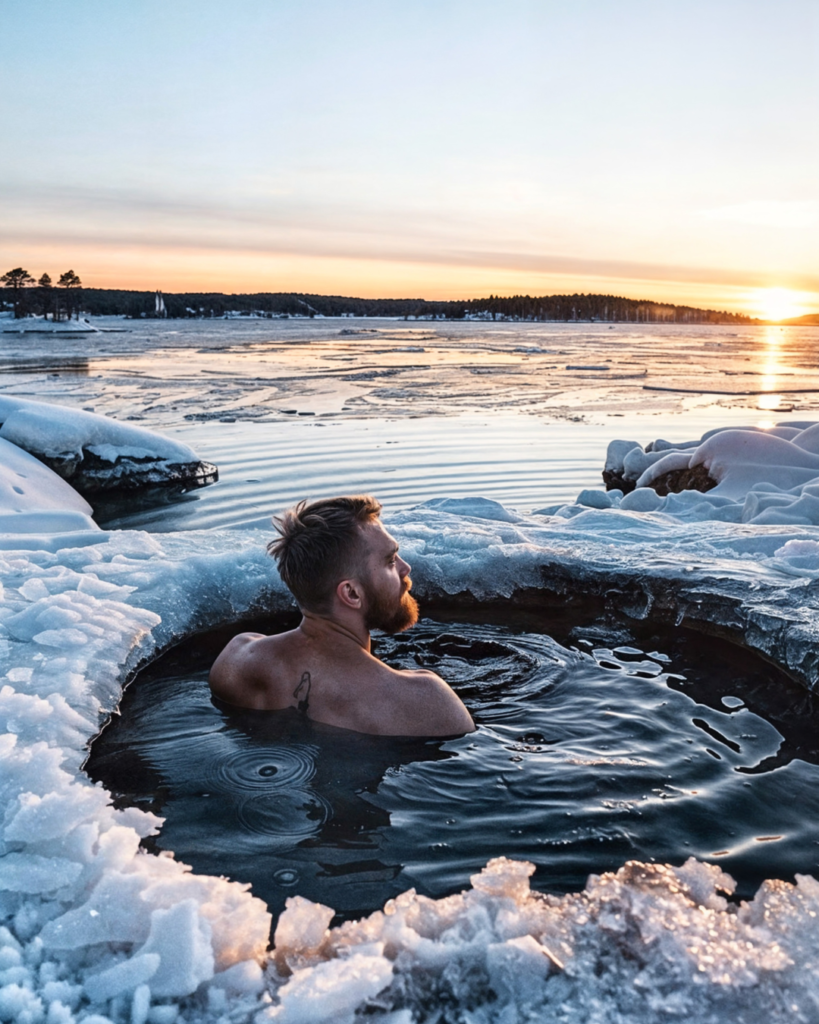
And then comes the plunge. That moment when you step into 45°F (7°C) water, your entire body screams absolutely not — but you do it anyway.
Cold immersion triggers an instant constriction of blood vessels, sending blood to your core. Your heart rate spikes, your breath catches, and your nervous system lights up like a Christmas tree. But within seconds, something remarkable happens: your body stabilizes, your breathing slows, and your mind clears. You’ve just overridden panic with control — and that’s the real training.
When you warm back up, your blood vessels expand again, flushing oxygen-rich blood through your system. This rapid oscillation between heat and cold acts like interval training for your circulation. It improves vascular elasticity, boosts recovery, and builds resilience — both physical and mental.
Pro tip: exhale before you go under. The out-breath tells your body, “I’m fine,” and helps you regain control before the shivers take over.
Why the Contrast Matters
Heat without cold is only half the story. The beauty of sauna culture lies in the contrast — stress and release, heat and chill, activation and recovery. Each cycle resets the nervous system and reinforces your body’s ability to adapt.
It’s also symbolic: in the span of 15 minutes, you practice surrender, endurance, and renewal. You face extremes — and then calmly walk back into balance.
So yes, sitting naked in a wooden box and then jumping into ice water might sound absurd. But the Finns were never wrong about coffee, design, or stoicism — and they’re certainly not wrong about this.
The Takeaway
Whether you prefer the hiss of stones or the glow of infrared panels, the real art of sauna lies in the rhythm — heat, cold, rest, repeat.
It’s an ancient ritual modern science keeps confirming: deliberate discomfort breeds deep calm.
And if you can find serenity while your heart races and your skin tingles, you’re not escaping stress — you’re mastering it.