
One of the most persistent debates in fitness is: “Should I focus on cardio or strength?” The answer is simple: both are essential. For longevity, functionality, and overall health, neither can replace the other — they complement each other like yin and yang.
Longevity Markers: What Science Says
Research consistently identifies a few physiological markers that are strongly associated with lifespan and healthspan. Understanding why these markers matter helps explain how exercise affects long-term health:
- VO2max (cardiorespiratory fitness): VO2max measures the maximum amount of oxygen your body can use during intense exercise. Higher VO2max reflects a more efficient cardiovascular system — your heart, lungs, and blood vessels deliver oxygen to tissues more effectively. This efficiency reduces strain on the heart, lowers risk of cardiovascular disease, and improves overall metabolic health. People with higher VO2max not only live longer but maintain higher functional capacity, energy levels, and resilience as they age.
- Leg strength: Leg muscles aren’t just for aesthetics — they are critical for daily function. Strong legs support balance, mobility, and the ability to rise from a chair or climb stairs safely. Research shows that leg strength is strongly linked to independence in older adults and inversely correlated with fall risk, frailty, and disability. Simply put, stronger legs allow you to move efficiently, recover from injuries more easily, and maintain autonomy well into old age.
- Grip strength: Surprisingly, handgrip strength is one of the most reliable predictors of overall mortality. Grip strength correlates with muscle mass, nutritional status, and general physical function. Weak grip often signals sarcopenia (loss of muscle), frailty, or underlying health issues. Maintaining grip strength is therefore a simple but powerful marker of functional capability, recovery potential, and long-term survival.
Together, these markers provide a snapshot of overall physiological health. High VO2max, strong legs, and strong grip indicate a resilient body capable of withstanding stress, recovering from illness or injury, and maintaining independence. Neglecting either cardio or strength training can weaken these markers, limiting healthspan even if lifespan remains unchanged.
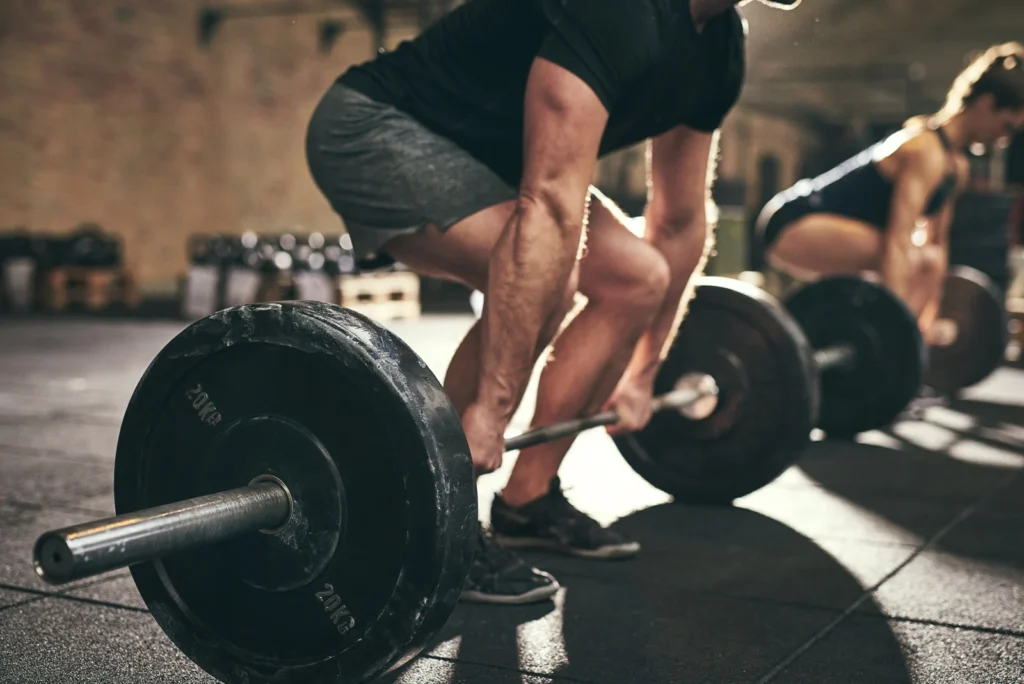
Strength Training: How and Why It Matters
Strength training builds muscle, bone density, and joint stability, which are critical for maintaining functional independence as we age. Strong legs, core, and grip allow you to move efficiently, lift objects safely, and recover from minor injuries more easily. Beyond function, strength supports metabolic health, improves posture, and reduces fall risk. In short, strength is key for moving well and staying capable throughout life.
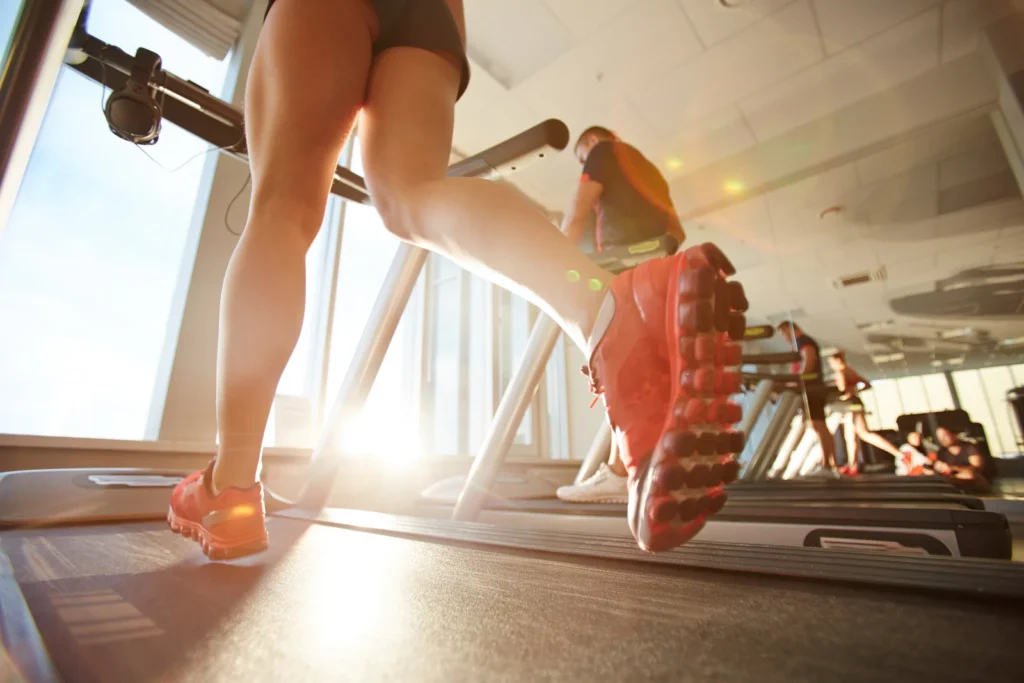
Cardiovascular Training: How and Why It Matters
Cardio develops heart and lung capacity, endurance, and metabolic efficiency. A strong cardiovascular system ensures that oxygen and nutrients reach tissues efficiently, improving energy levels, recovery, and overall resilience. Regular aerobic activity reduces the risk of cardiovascular disease, supports healthy weight, and promotes long-term brain and organ health. Essentially, cardio keeps your engine running smoothly for decades.
Strength and Cardio: Yin and Yang
Cardio and strength are two sides of the same coin. Neither is superior — each provides unique benefits, and both are required for a balanced, resilient body. One cannot fully substitute for the other, and optimal health requires both.
How to Approach Training for Longevity
- Include both modalities: Combine compound lifts (deadlift, squat, press, pull) with moderate cardio sessions a few times per week. This ensures your body develops strength, mobility, and cardiovascular fitness simultaneously.
- Prioritize markers: Focus on VO2max, leg strength, and grip strength — the key indicators that predict long-term health and functional independence.
- Think functionally: Choose exercises that support daily life, mobility, and independence, not just appearance or temporary performance goals.
Remember: There is no one-size-fits-all prescription. The optimal balance of cardio and strength depends on your goals, current abilities, lifestyle, and health conditions. What matters most is context: your program should be tailored to your body, your life demands, and what you enjoy enough to do consistently. Ignoring context turns advice into cookie-cutter dogma — the most effective training comes from understanding your individual situation first, then designing a plan around it.

Bottom Line
Longevity isn’t about extremes or “versus” debates. Both strength and cardio are essential, each supporting unique aspects of health. The goal is balance, consistency, and choosing exercises that are safe, sustainable, and enjoyable.