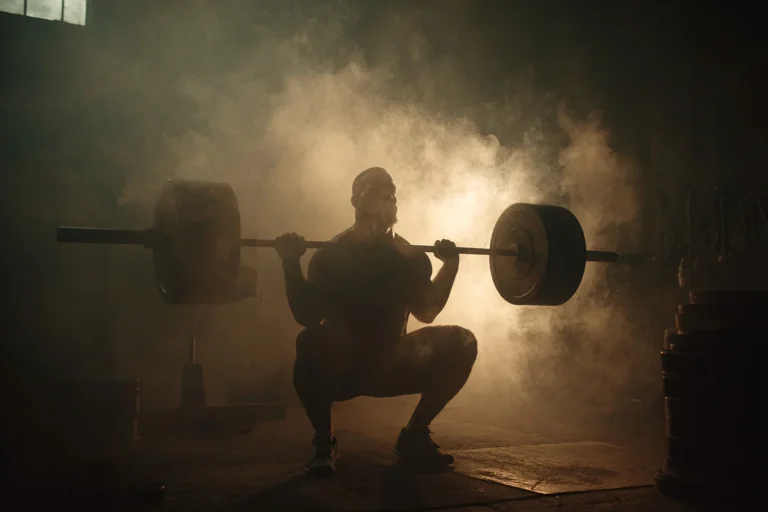
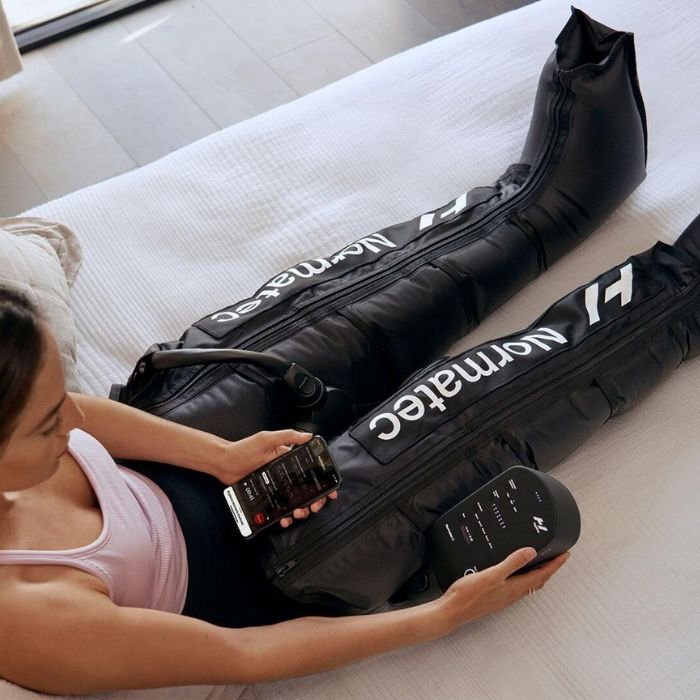
Everyone wants to train harder, move faster, lift heavier. But here’s the quiet truth: how well you recover determines how well you perform — and how long you stay injury-free. Athletic Recovery isn’t a passive “do nothing” period. It’s an active, strategic part of your training, and skipping it slowly erodes gains, resilience, and longevity.

The Hidden Work Behind Elite Performance
We all marvel at professional athletes: they train for hours a day, push limits, and seem unstoppable. But what we rarely see — or fully appreciate — is the incredible investment they make in recovery.
Pro athletes don’t just show up and lift, run, or practice; their days are carefully structured around sleep, nutrition, mobility, mental focus, and therapeutic interventions. They also track physiological markers in real time, perform regular blood and urine tests, and adjust training, nutrition, and recovery strategies down to the smallest fractions. Every detail — from cool-downs and heat/cold therapy to massage and micro-naps — is carefully planned to support adaptation and reduce injury risk.
This is why recreational athletes cannot realistically sustain the training loads of a pro long term. Between work, family, and social obligations, committing to multiple hours of high-intensity training per day is often unsustainable — and trying to push through without adequate recovery leads to burnout, overuse injuries, and lost motivation.
The takeaway? You don’t need to train like a professional to make meaningful progress. What matters is training smart, recovering strategically, and aligning your workload with your life context. Even small, intentional recovery practices can dramatically improve consistency, results, and enjoyment — without requiring superhuman effort.
Structured Recovery Isn’t Lazy — It’s Essential
Your body is constantly breaking down and rebuilding. Every workout creates micro-tears, depletes energy, and stresses the nervous system. Recovery is when the real adaptation happens: muscles repair, joints lubricate, mitochondria respond, and stress hormones normalize.
Strategic & Structured recovery improves:
- Strength and endurance gains
- Injury resilience
- Cognitive focus and emotional balance
- Long-term health and vitality
This is not speculation — it’s supported by exercise physiology, sleep science, and sports medicine.

Key Components of A Smart Recovery Protocol:
- Sleep Hygiene
- Deep sleep drives muscle repair, nervous system recalibration, and hormonal balance.
- Consistency & Quality matters more than occasional “catch-up” sleep.
- Nutrition & Hydration
- Proper nutrients and fluids restore energy, support repair, and maintain physiological balance.
- Recovery isn’t just about calories; timing and quality matter as well.
- Active Recovery & Mobility
- Gentle movement, hiking, walking, or mobility flows improve circulation and maintain flexibility.
- Think of this as priming your body for the next session.
- Heat & Cold Exposure
- Alternating heat and cold can improve circulation, reduce inflammation, and enhance adaptation.
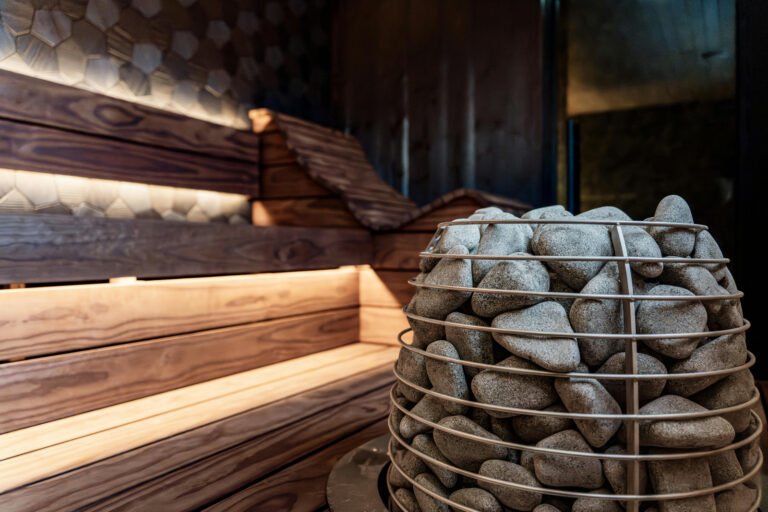
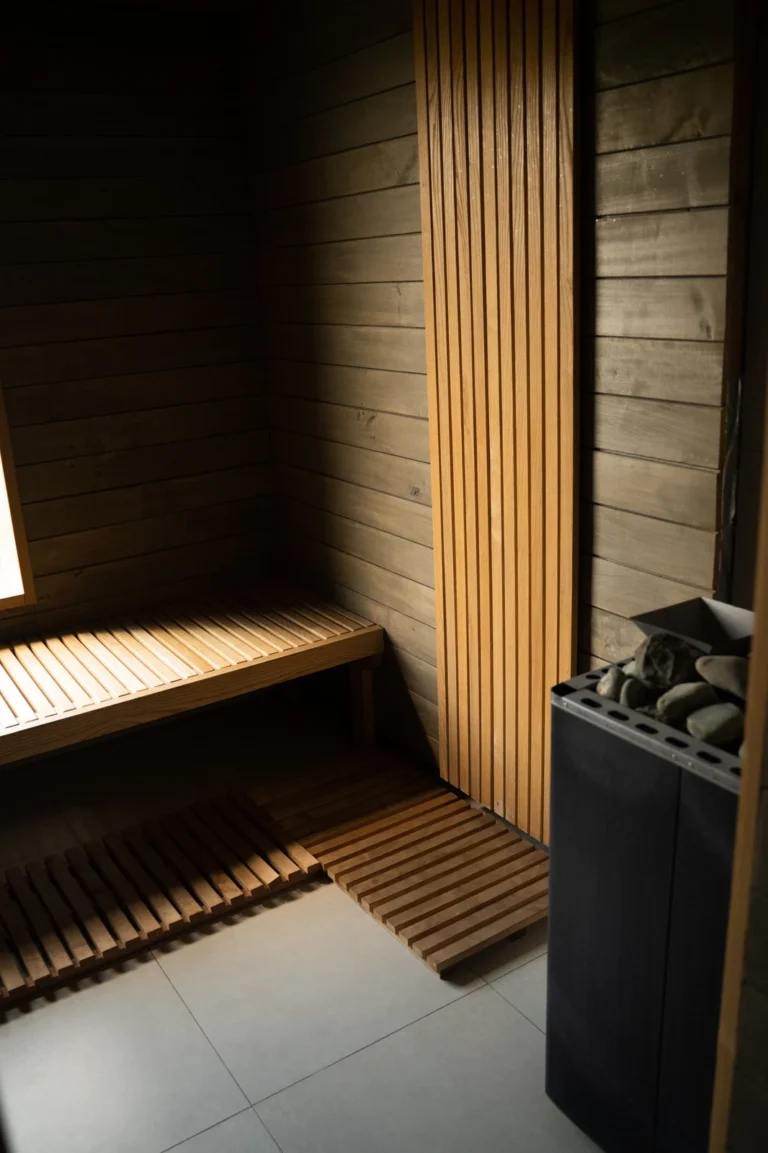
- Authentic Dry Finnish Sauna & Cold Plunge being one of the most studies and evidence supported method available.
- Mental Recovery & Stress Management
- Recovery isn’t purely physical. Emotional stress slows adaptation and increases fatigue.
- Mindfulness, journaling, or quiet reflection can reset focus, hormones, and motivation.
- Structured Training & Periodization
- Recovery is built into your plan, not added afterward. Microcycles, mesocycles, and macrocycles dictate when to push and when to rest.
- Smart structuring ensures progress without burnout or plateau.
Practical Tips for Everyday Recovery
- Schedule recovery as seriously as training.
- Treat sleep, nutrition, movement, and thermal therapy as performance tools.
- Listen to your body: fatigue, irritability, or poor sleep are red flags.
- Rotate stressors: strength/movement training one day, cardio the next, active recovery, heat/cold exposure — variety keeps the body adaptable.

Bottom Line
Recovery may feel complex and nuanced — and that’s intentional. Mastery requires craftsmanship, knowledge, and personalization. You don’t need to see every test or track every biomarker like a pro athlete, but applying even a fraction of these principles can set you apart from the crowd. Train smart, recover strategically, and you’ll see how much easier it is to stay consistent, enjoy the process, and build long-term resilience — both in fitness and in life.