Heat, gathered around and shared deliberately, shows up in multiple places on the map that share no common ancestor and no borrowed blueprint. Finland built a room around it and called the result sisu. Russia built a different room around it and called theirs banya. Neither copied the other. Both arrived, independently, at the same quiet conclusion — that heat means more when it isn’t endured alone.
Sauna isn’t Finland’s or Russian’s invention alone, and it isn’t a wellness trend. It’s an inherited European practice — heat, sweat, rest, and repeat — carried forward largely unchanged because it worked & because it was worth keeping.
The Root Beneath Both Traditions
The mechanism underneath both is identical — hormesis, the same controlled-stress principle running through everything this series has covered. What differs is everything built around that mechanism over centuries: the language, the posture, the unspoken rules of the room. That difference is what actually makes European sauna European — not the temperature, but the architecture built around it.
The Words That Carry the Weight
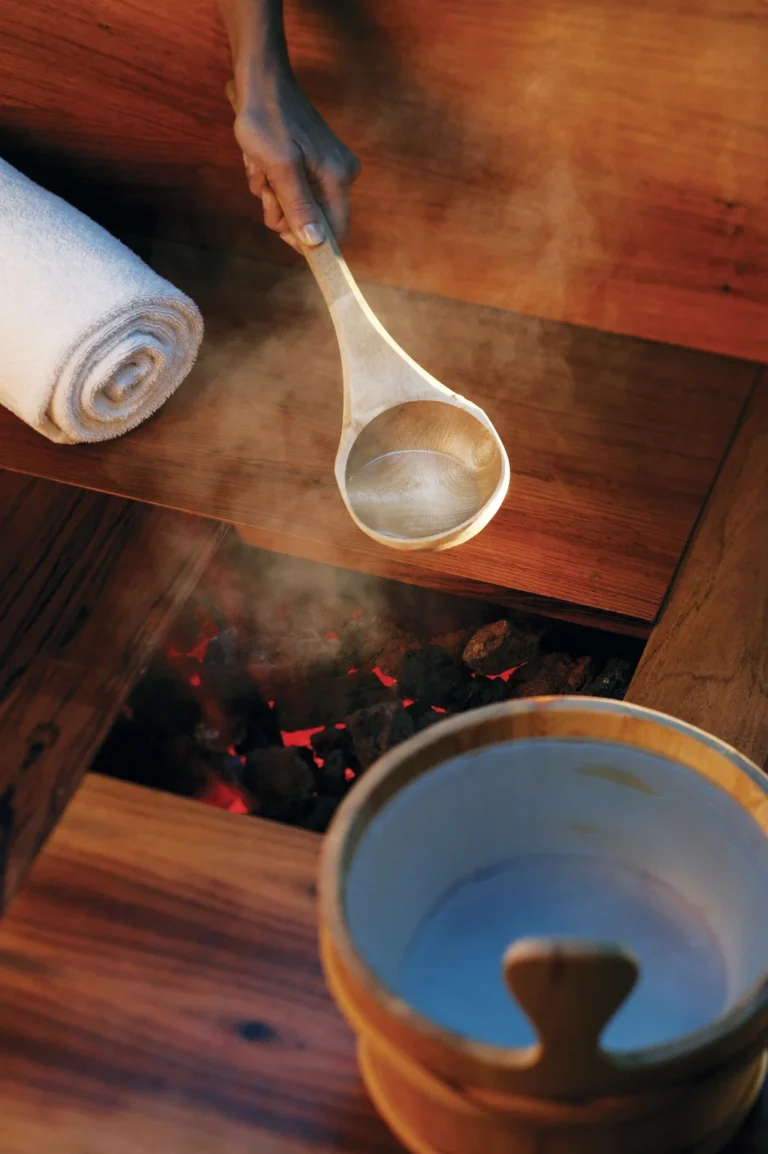
Löyly — the burst of steam released when water strikes hot stone, considered by many Finns to be the actual soul of the experience, not a side effect produced by it. A sauna without löyly, to a Finn, is barely a sauna at all.
Sisu — not strictly a sauna word, but the word most often reached for to describe what the room is meant to build. A quiet, stubborn composure. Endurance that doesn’t announce itself and doesn’t need an audience to be real.
Venik, called vasta in Finnish — a bundle of birch branches, used to strike the skin gently during a banya session. Believed for generations to improve circulation, and treated as inseparable from the ritual rather than an optional accessory to it.
Banya — the room itself, and the whole tradition built around it: wetter, more physical, more communal in its rhythm than its Finnish counterpart, though descended from the same underlying instinct.
Four words. Two countries. One shared root beneath both of them.
Two Postures Toward the Same Fire
Finnish sauna runs dry and hot, centered on löyly, most often paired with a lake, fresh snow, or a hole cut directly through winter ice the moment the heat ends. Composure is the point. Stillness is the method. Russian banya leans wetter, more physical, more communal — the venik doing work no bundle of branches does anywhere else, striking the skin in a ritual that treats vigor, not quiet, as the doorway to the same result.
Different climates shaped two different postures toward the same element. Neither is a softer version of the other. They are two independent answers to a question nobody had to ask twice.
The Unwritten Rules of the Room
Every tradition carries a social contract, understood without needing to be explained to anyone raised inside it. Some of what governs the room — how it’s entered, how it’s shared, what’s expected of a guest — would look unfamiliar to an outsider and unremarkable to everyone already inside. None of it is presented as scandal within the culture that built it. It’s simply how the room has always worked, agreed upon long before anyone alive today was born into it. A guest doesn’t need the rules recited. They’re absorbed by watching, the same way any unwritten custom passes from one generation to the next without ever being written down in the first place.
The Order of the Room
Both traditions carry a quiet hierarchy most visitors never notice consciously, even as they follow it without being told. In Finland, the upper benches run hotter, and where someone sits often reflects how much heat they’re genuinely prepared to sit with — no announcement required, no one keeping score. Silence carries its own weight too. A Finnish sauna leans toward stillness by default, conversation optional rather than expected. Banya inverts that instinct. The room is louder, more physical, the venik doing its work while conversation moves freely around it. Neither approach is more correct. Each reflects what that specific tradition decided the room was actually for.
Why Neither Tradition Rushes
Here is what actually separates this from a wellness routine measured in minutes. Neither Finnish sauna nor Russian banya was ever built around efficiency. Both were built around people, and around time nobody in either tradition felt any urgency to spend faster. An evening inside either one means heat, then cold, then food and company shared with whoever else is present, stretched across hours rather than compressed into a single measured session squeezed between two other obligations.
The Elements That Do Real Work
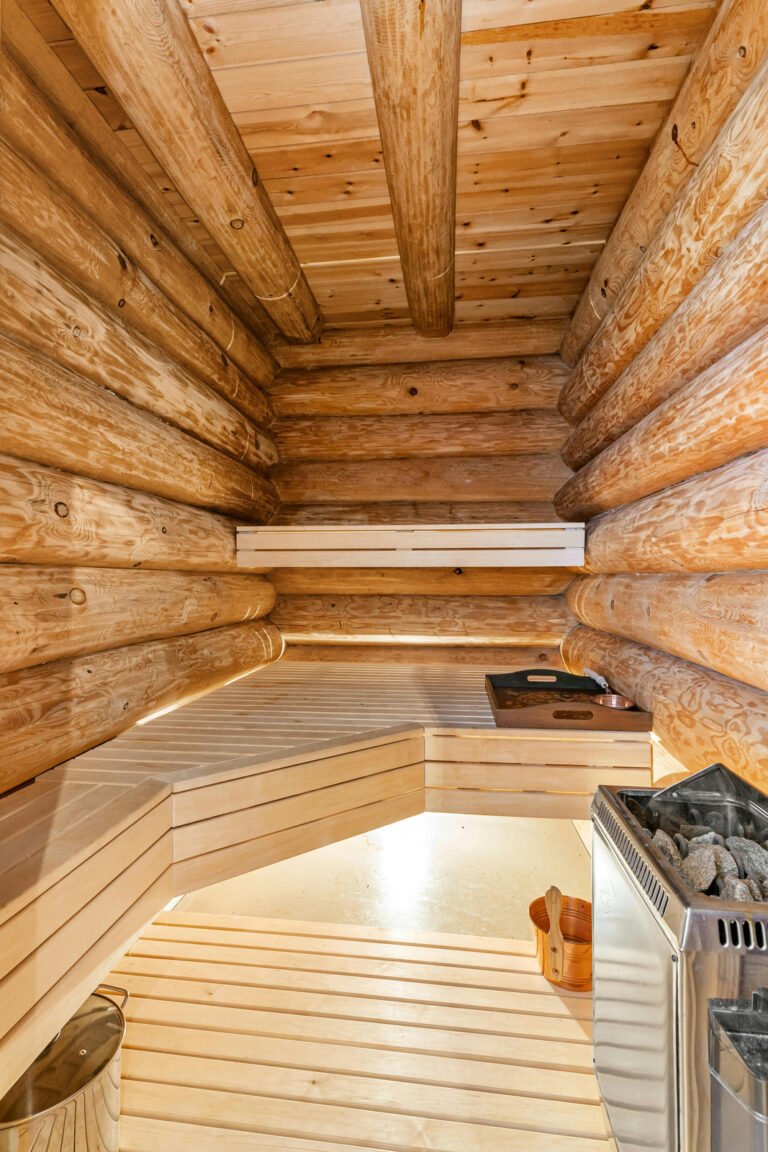
Wood, stone, water, snow — none of it is set dressing in either tradition. Each element does genuine work inside the ritual, not merely atmosphere for a photograph taken on the way out. The wood absorbs and releases heat differently than any synthetic material could. The stones hold and give off warmth long after direct heat is removed, carrying löyly the moment water meets them. The cold — a lake, fresh snow, a hole cut through winter ice — isn’t a contrast added for effect. It’s the second half of a single mechanism, present in both traditions because both cultures separately discovered the same thing: the heat only finishes its work once the cold arrives to meet it.
The physiology behind all of this can be triggered in twenty minutes. The tradition cannot. What takes hours is the company, the unhurried pace, the entire architecture built slowly around a elemen that nobody was ever in a rush to leave.
Why This Matters at Tatra
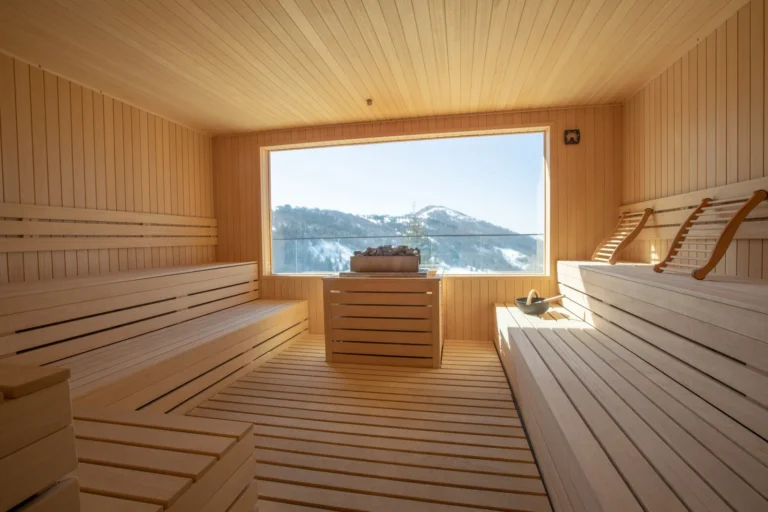
We didn’t set out to copy one nation’s version of this. We built toward the instinct underneath both — heat, taken seriously, shared with people, stretched across the kind of evening nobody feels compelled to rush. Sisu’s stillness. Banya’s vigor. Different postures, the same fire, carried forward rather than reinvented. The room changes by culture.
Sources: Comparative ethnographic and historical accounts of Finnish sauna and Russian banya tradition