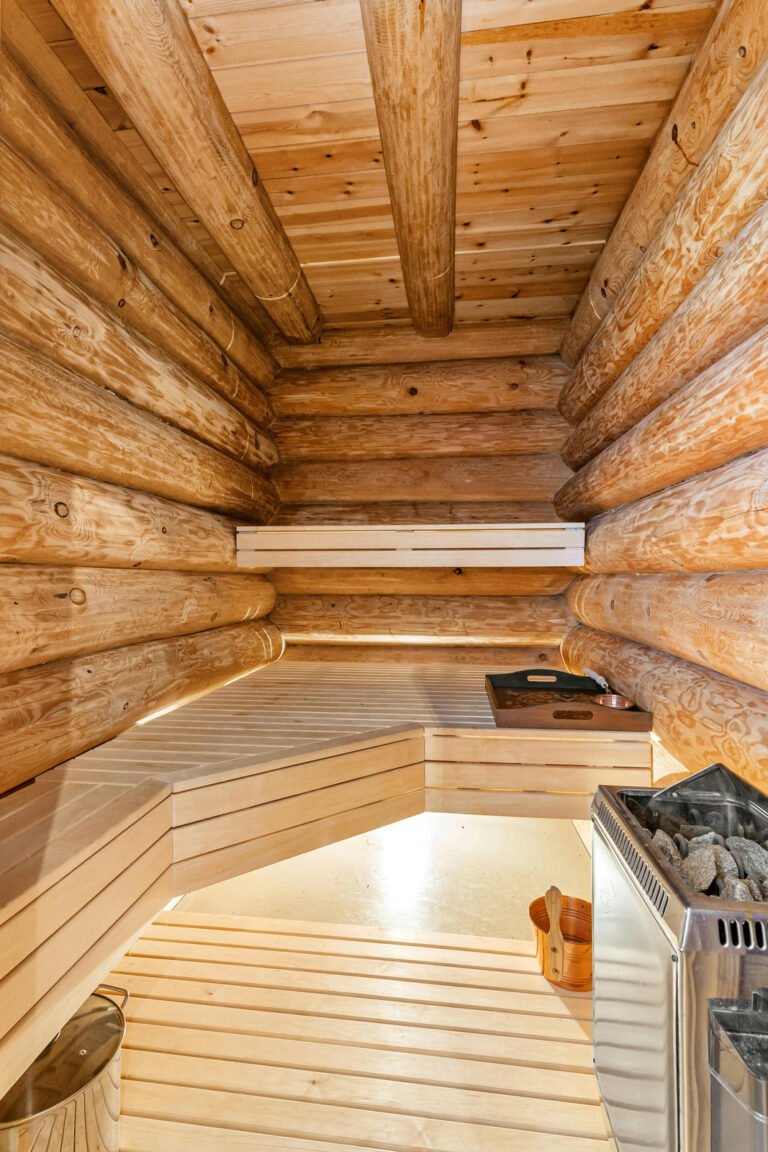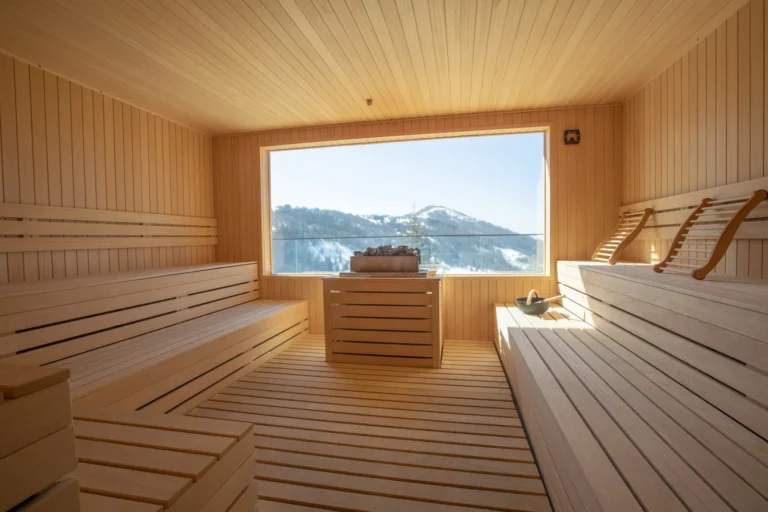

Ask most Americans what a sauna is, and you’ll get a hot box with wood paneling. Ask a Finn, and the answer gets specific fast: heat, yes, but also stone, water, steam, and a word — löyly — that doesn’t fully translate into English. Understanding that gap tells you almost everything you need to know about choosing between the sauna types available today.
What “Traditional” Actually Means
When people say “traditional sauna,” what they usually mean is Finnish sauna. Air heated to 176–194°F by a stove — a kiuas — sitting on a bed of stones, typically 20–80 kg of them, brought to 300–400°C internally. Water thrown on those stones flashes into steam, and that burst of heat and humidity is löyly, the part of the ritual Finns consider central to the entire experience.
That matters here for a specific reason: nearly everything we actually know about sauna and long-term health comes from studying exactly this format.
Infrared: A Genuinely Different, Genuinely Good Tool
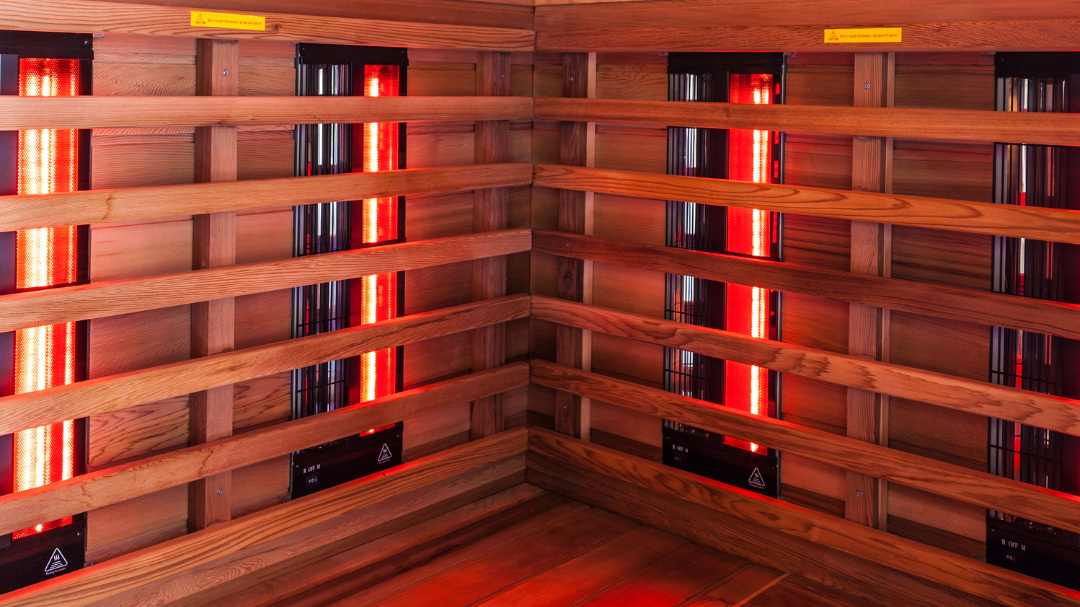
Infrared works on a different mechanism entirely, and it’s worth understanding on its own terms rather than as a lesser version of the traditional room. A Finnish sauna heats the air, and the air heats you — full convection, with air temperatures near 200°F. An infrared unit skips most of that. Radiant panels emit energy that heats your skin and underlying tissue directly, while the surrounding air stays a comparatively mild 122–140°F.
The physiological response is real. Core temperature rises, heart rate climbs, sweating is genuine — the same fundamental stress response we’ve covered throughout this series, just delivered at a gentler intensity and over a longer session. For people who find 190°F genuinely difficult to tolerate, or who want a longer, milder session, that’s a legitimate advantage, not a compromise. It’s part of why we offer it.
Here’s the one honest distinction worth keeping in mind: the large-scale research connecting sauna to lower cardiovascular mortality, reduced dementia risk, and longer life expectancy — the Kuopio cohort data this series keeps returning to — was built entirely on Finnish-style sauna. Infrared’s evidence base is real, but newer and smaller by comparison. That doesn’t make infrared’s benefits imaginary. It means we can speak with more certainty, and about a longer track record, when we’re talking about the traditional room specifically.
Steam Rooms: The Humidity Problem
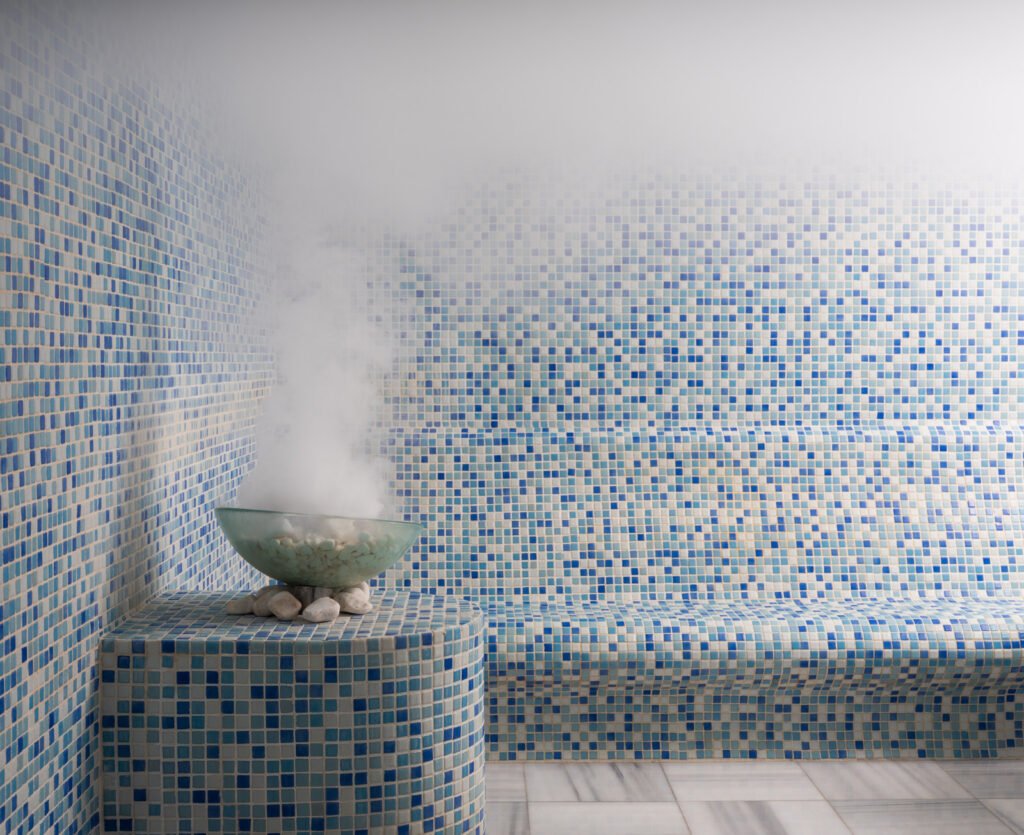
A steam room’s mechanism is straightforward: near-100% humidity at a lower temperature, usually 110–120°F. The humidity is the entire point — sweat can’t fully evaporate in saturated air, which is part of why steam feels more intense than the thermometer suggests, and part of the appeal for people who find dry heat too harsh.
That same humidity does carry a real maintenance requirement worth knowing about. Heat and standing moisture create favorable conditions for bacteria and fungi to persist on surfaces, particularly where drainage and disinfection routines lapse. This isn’t unique to steam rooms; it’s true of any warm, humid space that isn’t cleaned consistently. A well-maintained steam room, dried and disinfected between uses, manages this easily. It’s simply a format that asks more of its upkeep than dry heat does.
A dry sauna at 180°F, traditional or infrared, simply doesn’t offer the same conditions for microbial growth. That’s not a knock on steam — it’s just a different set of trade-offs, and worth knowing before you choose.
The Same Principle, Different Vehicles
Whichever format you’re in, the underlying idea is the one from our contrast therapy post: heat is the therapeutic half of a hot-cold pairing, working through vasodilation, heat shock proteins, and the cardiovascular demand detailed throughout this series. Traditional and infrared both produce real versions of that response — one with a longer, deeper evidence base and a completed ritual, the other with a gentler entry point and a genuinely different, comfortable experience.
We built our sauna house around both, because both belong in a serious wellness practice. But if you’re asking which one carries the deepest evidence and the fullest tradition behind it, the honest answer is the room with the stones and the steam.
Sources: Laukkanen T, Kunutsor SK. “Cardiovascular and Other Health Benefits of Sauna Bathing.” Mayo Clinic Proceedings, 2018. Rapid Review: Environmental Health Risks and Safety Considerations in Saunas, National Collaborating Centre for Environmental Health.