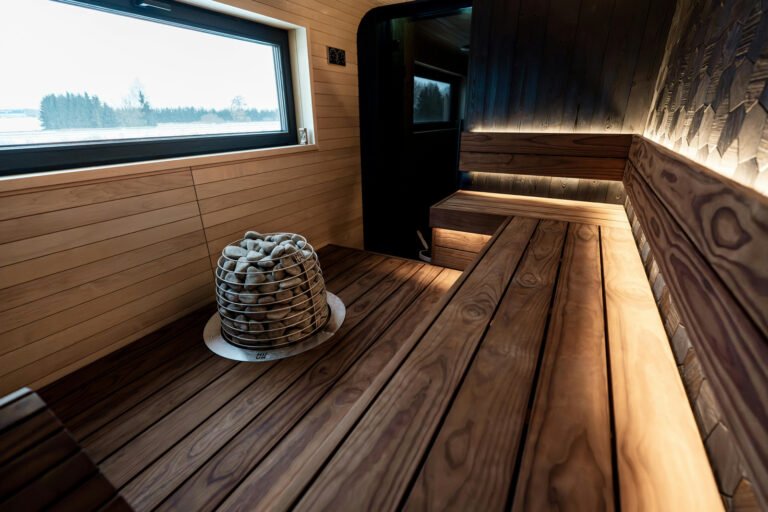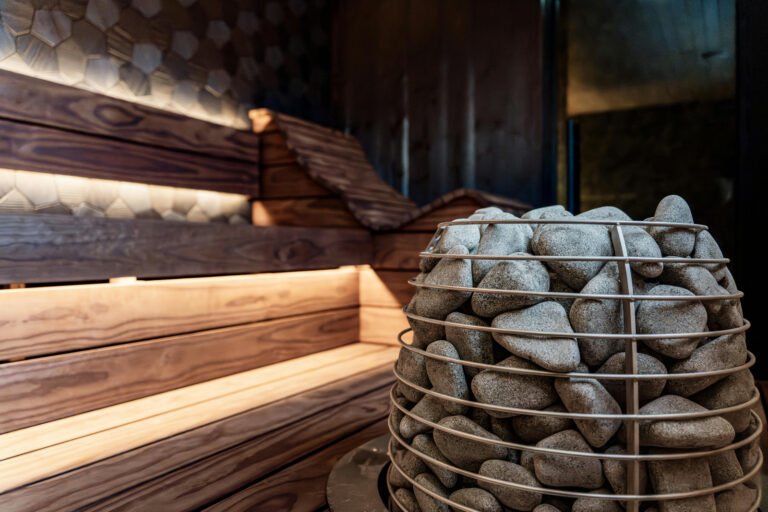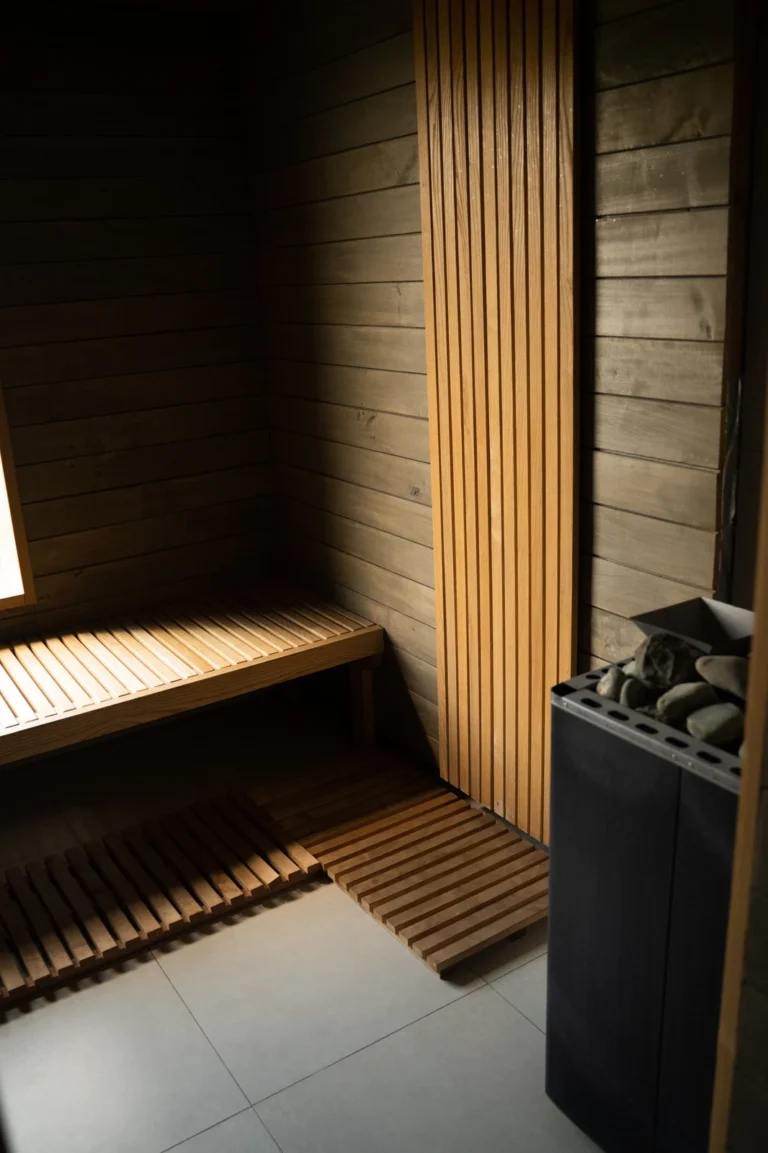
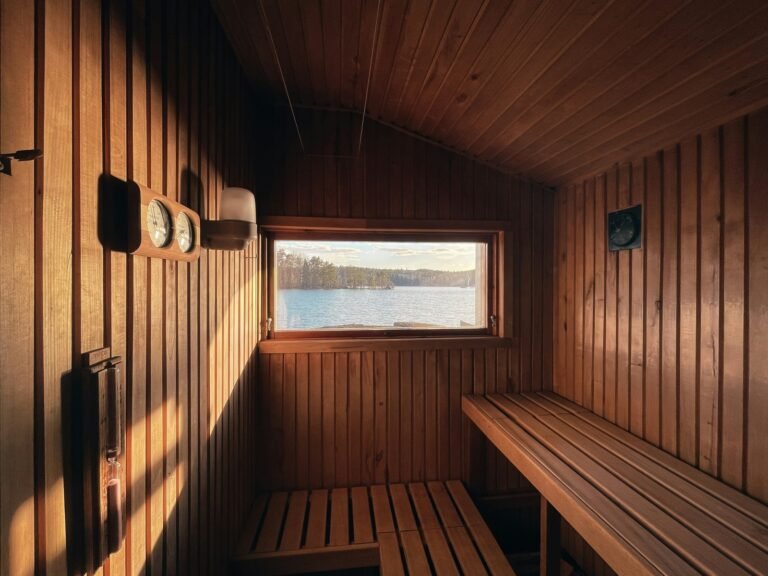
There is a particular kind of stillness that happens in a hot room. Heart rate climbing, skin flushing, breath slowing. Nothing to check, nothing to answer. Just heat, and the body doing something ancient with it.
For most of the 20th century, Western medicine looked at this ritual — practiced daily by ordinary Finns for generations — and saw a pleasant Nordic eccentricity. Nice for relaxation. Not much else. It took a multi-decade cohort study from the University of Eastern Finland to correct the record, and the correction was not subtle.
Publication That Changed the Conversation
Kuopio study began in the 1980s, researchers tracked 2,315 middle-aged Finnish men for over twenty years, sorting them by how often they used the sauna: once a week, two to three times, or four to seven times. Compared with men who used the sauna once a week, those who used it four to seven times weekly had roughly a 63% lower risk of sudden cardiac death, and the trend across frequency groups was statistically significant. The same dose-dependent pattern held for fatal coronary heart disease, fatal cardiovascular disease, and death from any cause.
This wasn’t a wellness anecdote. It was two decades of follow-up, hard endpoints, and a result clean enough to publish in JAMA Internal Medicine. The editor’s note accompanying the study put it plainly: whatever the exact mechanism, time spent in the sauna was time well spent.
So what, exactly, is happening in there?
The Mechanism: Hormesis
Here is the idea at the center of everything Tatra does, and it’s worth understanding properly, because it explains far more than just sauna.
Hormesis is the principle that a stressor which would be harmful at high, chronic doses becomes beneficial at low, controlled, recoverable doses. Exercise is hormetic. Fasting is hormetic. Cold exposure is hormetic. And heat — real, honest heat, applied briefly and repeatedly — is one of the most well-studied hormetic stressors we have.
When your core temperature rises in a sauna, your cells respond to the thermal stress by producing heat shock proteins — molecular repair crews that refold damaged proteins, clear cellular debris, and prime tissue for the next stressor. Your heart rate climbs to 100–150 beats per minute, roughly the same cardiovascular demand as brisk exercise, without a single joint absorbing impact. Blood vessels dilate and contract, training vascular flexibility the same way a muscle trains under load.
None of this is punishment. It’s a signal — a controlled, recoverable dose of difficulty that tells the body: stay adaptable, stay capable, stay ready. Remove the signal entirely, and the system quietly starts to soften. This is the same logic that governs muscle under progressive load, or a brain under novel challenge. Comfort, held indefinitely, is not neutral. It’s a slow withdrawal of the very stimulus that keeps tissue — and the systems around it — resilient.
Lifespan Is the Wrong Target
It’s worth being precise about what “longevity” actually means here, because the word gets used carelessly. Living longer is the easy part — modern medicine is already extraordinary at postponing death. The harder, more interesting question is healthspan: how many of those years are spent capable, independent, and free of the slow accumulation of chronic disease that quietly builds for decades before it announces itself.
That distinction is the entire point. Nobody wants ten extra years in decline. The Kuopio data didn’t just show people living longer — it showed a dose-response relationship between a repeatable habit and a measurably lower burden of cardiovascular disease, the leading cause of death worldwide. That’s not a hack. That’s infrastructure.
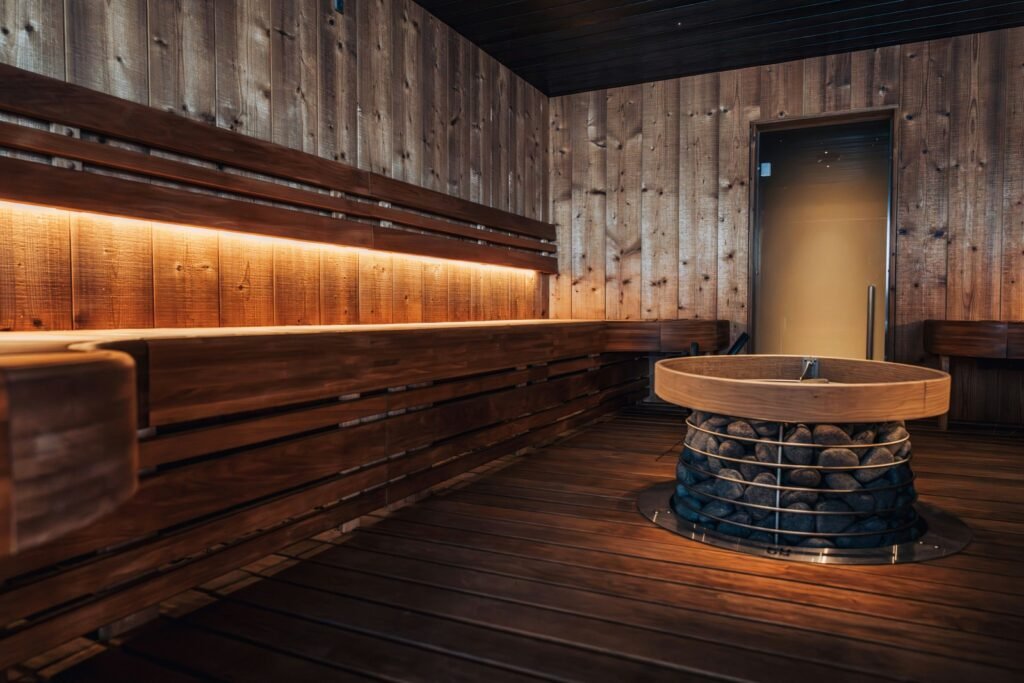
Tatra’s Authentic European Sauna House
There’s a reason the Kuopio men who saunaed four to seven times a week outlived the ones who went once. It isn’t just dose. It’s that a habit repeated that often is rarely a solitary one — it’s woven into a life, often alongside other people doing the same thing.
That’s the part of the tradition we built our Sauna House around. In Europe, the sauna was never a private appliance tucked into a basement — it was communal by design, a place you went with people, not just to escape them. The heat is the stimulus. The company is what makes you come back.
Sources: Laukkanen T, Khan H, Zaccardi F, Laukkanen JA. “Association Between Sauna Bathing and Fatal Cardiovascular and All-Cause Mortality Events.” JAMA Internal Medicine, 2015;175(4):542–548.